rehabilitaciondefachadasmadrid

Blog

  • Business Marketing And Finance

    In today’s competitive landscape, businesses must blend marketing with finance to thrive. At the intersection of these two fields lies the key to making informed decisions that drive growth. We understand that effective business marketing isn’t just about reaching potential customers: it’s also about comprehensively grasping our financial strategies. By integrating these crucial areas, we can navigate successfully through market complexities while ensuring sustainable profitability.

    Relationship Between Marketing And Finance

    Understanding how marketing and finance interrelate is foundational for any successful business strategy. Marketing sets the stage for sales, while finance measures how well we capitalize on that potential. Marketing strategies often determine our customer base and revenue projection, influencing budgeting decisions in finance. For instance, when we invest in advertising campaigns, we engage potential customers by promoting our products or services. On the other hand, finance is crucial in evaluating which strategies yield the best returns, ensuring that every dollar spent contributes meaningfully to our bottom line.

    By fostering a relationship where these two domains work in tandem, we can create a feedback loop where marketing insights inform our financial planning, and financial outcomes shape future marketing endeavors. This symbiosis encourages a holistic approach that empowers us to leverage customer data for better financial forecasting.

    Integrating Marketing Strategies With Financial Planning

    To maximize our business potential, integrating our marketing strategies with financial planning is essential. We need to start by aligning our marketing goals with overall financial objectives. For example, if our goal is to increase market share, we must allocate sufficient budget for market research and targeted advertising. Implementing a clear integration process involves:

    1. Setting Clear Objectives: Establishing specific marketing objectives that align with our financial goals allows for targeted spending and resource allocation.
    2. Collaborating Across Departments: Regular meetings between marketing and finance teams can enhance communication, ensuring that both sides understand each other’s goals and metrics for success.
    3. Utilizing Data Analytics: Leveraging data analytics not only helps us track marketing performance but also allows us to understand customer behavior, leading to better financial projections.

    Through these practices, we improve our ability to assess future marketing initiatives and their potential financial impacts, eventually leading to more confident and financially sound decision-making.

    Key Marketing Metrics To Monitor Financial Performance

    Accurate measurement of our marketing efforts is vital to understanding their impact on our financial performance. We often rely on key performance indicators (KPIs) that help this process. Some of the fundamental metrics include:

    • Customer Acquisition Cost (CAC): Understanding how much we spend to acquire a new customer helps us gauge the effectiveness of our marketing spend.
    • Lifetime Value (LTV): Calculating the expected revenue from a customer over their engagement period allows us to benchmark our marketing strategies against revenue generated.
    • Conversion Rate: This metric helps us track how effectively our marketing initiatives convert leads into paying customers, directly affecting our revenue.

    Monitoring these metrics aids us in adjusting our strategies and optimizing our financial resources, ensuring that we focus on campaigns that yield the best returns.

    Budgeting For Effective Marketing Campaigns

    Effective budgeting for marketing campaigns involves careful planning and allocation of resources to maximize impact. When creating our marketing budget, we should consider:

    • Historical Performance: Analyzing past campaigns helps us allocate funds effectively by understanding what has worked well before.
    • Market Trends: Keeping an eye on trends and consumer behavior enables us to adjust our budget to capitalize on new opportunities effectively.
    • Flexibility: We should maintain some flexibility in our budget to seize unexpected marketing opportunities that may arise throughout the year.

    By meticulously planning our budgets while being open to adjustments, we can enhance our marketing effectiveness and ensure our campaigns have the necessary financial backing to succeed.

    Evaluating Return On Investment (ROI) In Marketing

    In the world of business marketing, evaluating the return on investment (ROI) is critical in assessing the effectiveness of our campaigns. We measure ROI by calculating the net profit generated from a marketing campaign divided by the total cost of the campaign. Understanding this concept allows us to:

    • Optimize Marketing Spend: By identifying which campaigns yield the highest ROI, we can allocate more resources effectively further down the line.
    • Make Informed Decisions: Assessing ROI allows us to review and adjust our strategies, ensuring we continue to focus on activities that drive growth.
    • Demonstrate Value to Stakeholders: Clear ROI calculations help articulate the benefits of our marketing efforts to stakeholders, fostering support for future initiatives.

    Overall, measuring ROI not only holds us accountable for our marketing spend but also empowers us to make sound financial decisions.

    The Role Of Digital Marketing In Financial Growth

    In an increasingly digital world, the role of digital marketing in driving financial growth cannot be overstated. Effective use of digital marketing strategies, such as search engine optimization (SEO), social media, and pay-per-click advertising, allows us to:

    • Reach a Larger Audience: Digital platforms enable us to engage with potential customers globally, expanding our market reach significantly.
    • Track Campaign Performance: Digital marketing tools provide immediate data on campaign success, allowing us quick pivots or adjustments based on performance.
    • Cost-Efficiency: Digital marketing often requires a lower investment than traditional methods while providing measurable results and a better return on investment.

    Through strategic digital marketing efforts, we can enhance our brand visibility, attract new customers, and eventually drive higher revenue.

    Essential For Our Growth In Today’s Competitive Market

    To conclude, the synergy between business marketing and finance is not just beneficial, it is essential for our growth in today’s competitive market. By understanding their interconnection, integrating strategies, monitoring key metrics, budgeting wisely, evaluating ROI, and leveraging digital marketing, we can position our business for success. As we foster this collaboration, we enable ourselves to make informed decisions that align with our financial goals and ensure sustainable growth for our organization.
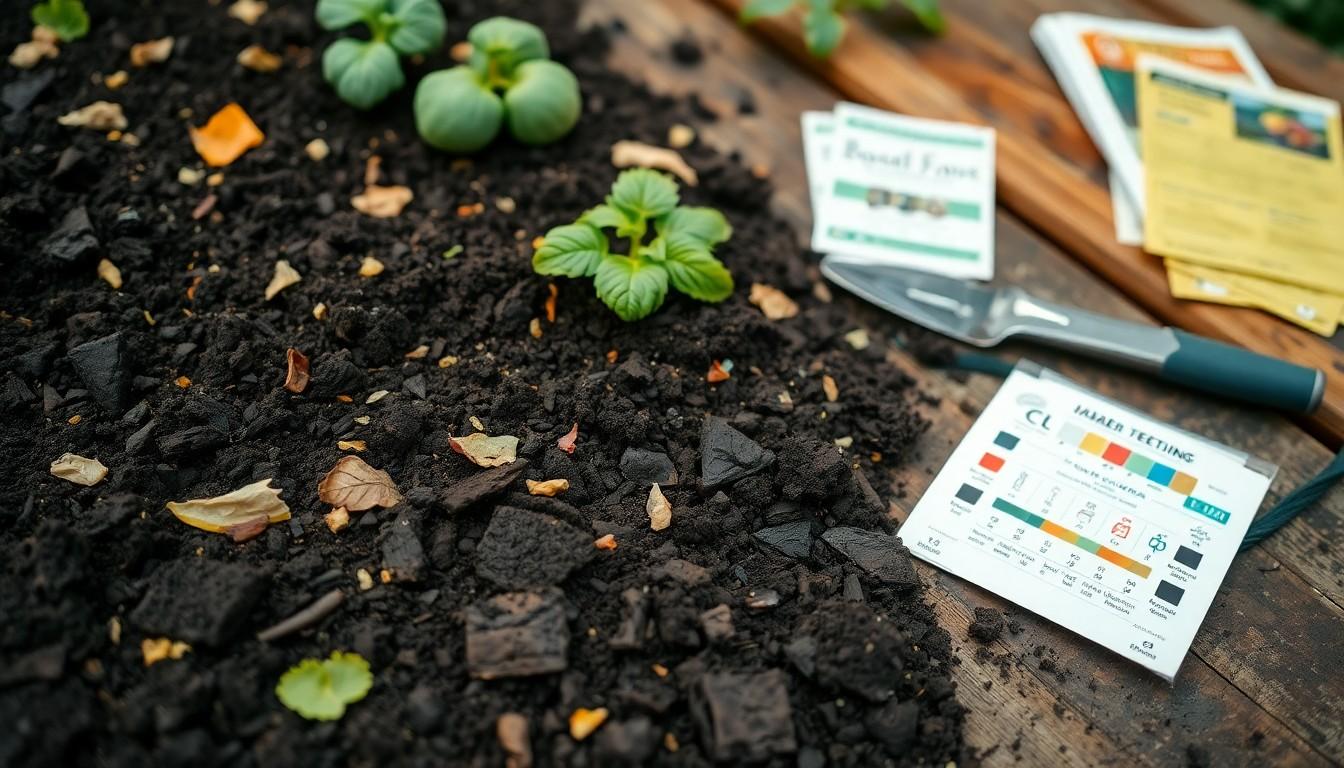
  • Gardening Essentials: 12 Must-Have Tools & Tips for a Thriving Garden in 2024

    Starting a garden doesn’t require a green thumb or a Ph.D. in horticulture – just the right tools and know-how to get growing. Whether you’re a novice plant parent or a seasoned gardener everyone needs a solid foundation of essential supplies to nurture their outdoor oasis.

    From sturdy hand trowels to moisture-retaining mulch these fundamental gardening tools and materials make the difference between thriving plants and wilted dreams. Think of them as the secret ingredients in your recipe for gardening success. They’ll help transform that patch of dirt into a blooming paradise while saving time energy and preventing those frustrating rookie mistakes that make gardeners want to throw in the trowel.

    Essential Gardening Tools and Equipment

    The right gardening tools enhance efficiency and protect plants during maintenance tasks. A well-equipped garden shed contains both manual and powered tools to handle diverse gardening operations.

    Hand Tools Every Gardener Needs

    Basic hand tools form the foundation of effective gardening practices:

    • Hand Trowels: 6-8 inch stainless steel trowels dig planting holes for seedlings bulbs
    • Pruning Shears: Bypass pruners with 5/8 inch cutting capacity trim branches stems flowers
    • Garden Fork: 4-tine digging forks loosen soil aerate compost turn mulch
    • Hand Cultivator: 3-prong steel cultivators break up soil remove weeds around plants
    • Garden Spade: Straight-edge spades with D-shaped handles dig beds edge borders transplant
    • Watering Can: 2-gallon plastic cans with removable rose heads water delicate seedlings
    • Garden Rake: 14-inch bow rakes level soil spread mulch collect debris
    • Garden Hoe: Draw hoes with 6-inch blades create furrows remove shallow-rooted weeds

    Power Tools for Serious Gardeners

    • Cordless Drill: 18V drills with auger bits create planting holes install supports
    • Leaf Blower: 150 mph handheld blowers clear leaves debris from beds paths
    • String Trimmer: 13-inch cutting path trimmers edge beds maintain lawn borders
    • Electric Chainsaw: 16-inch chainsaws prune thick branches remove small trees
    • Tiller/Cultivator: 12-inch electric tillers prepare soil beds aerate compacted areas
    • Pressure Washer: 1600 PSI washers clean paths patios garden furniture
    • Hedge Trimmer: 22-inch dual-action blades shape formal hedges trim bushes
    • Battery Lawn Mower: 40V mowers maintain lawn edges around garden beds

    Soil Preparation and Management

    Proper soil preparation creates the foundation for healthy plant growth. The quality of soil directly impacts plant nutrition uptake germination rates nutrient availability.

    Understanding Soil Types

    Soil types vary in texture particle size mineral content. Sandy soil drains quickly but retains fewer nutrients. Clay soil holds moisture well but compacts easily causing drainage issues. Loam soil combines sand silt clay in optimal proportions creating ideal growing conditions.

    A simple soil test determines pH levels nutrient content structure. Garden centers offer testing kits that measure essential nutrients like nitrogen phosphorus potassium. Testing reveals soil deficiencies allowing targeted amendments such as:

    • Organic matter to improve structure
    • Lime to raise pH levels
    • Sulfur to lower pH levels
    • Gypsum to break up clay soils

    Composting Basics

    Composting transforms organic waste into nutrient-rich soil amendments. Kitchen scraps yard waste decompose into dark crumbly matter full of beneficial microorganisms. Essential compost ingredients include:

    • Green materials: vegetable scraps grass clippings coffee grounds
    • Brown materials: dry leaves paper products wood chips
    • Water: maintains 40-60% moisture content
    • Air: regular turning provides oxygen
    • Tumbler systems for small spaces
    • Three-bin systems for large gardens
    • Vermicomposting with red wiggler worms
    • Sheet composting directly in garden beds

    Plant Selection and Care

    Successful gardening starts with selecting appropriate plants for specific growing conditions. Plant selection impacts garden maintenance requirements care routines required for optimal growth.

    Choosing the Right Plants

    Plant selection depends on five key factors: climate zone soil type light exposure moisture levels available space. Native plants thrive in local conditions require less maintenance resist regional pests diseases. Sun-loving plants need 6+ hours of direct sunlight while shade-tolerant varieties grow in areas with 3-4 hours of filtered light. Container gardens accommodate plants with shallow root systems such as herbs annual flowers small vegetables.

    Plant Type Sunlight Needs Water Requirements
    Full Sun 6+ hours daily Moderate
    Partial Sun 4-6 hours daily Moderate to High
    Shade 2-4 hours daily Low to Moderate

    Watering and Feeding Guidelines

    • Spring: Apply balanced fertilizer (10-10-10) when plants show new growth
    • Summer: Feed flowering plants phosphorus-rich fertilizer every 4-6 weeks
    • Fall: Add slow-release fertilizer to prepare plants for dormancy
    • Winter: Reduce fertilization except for indoor plants continuing active growth
    Season Watering Frequency Fertilizer Type
    Spring 2-3 times weekly Balanced NPK
    Summer Daily to alternate days High Phosphorus
    Fall 1-2 times weekly Slow Release
    Winter As needed Indoor Plant Food

    Garden Planning and Design

    Garden planning maximizes space utilization while creating an aesthetically pleasing environment. A well-designed garden enhances plant growth productivity through strategic placement of elements.

    Space Organization

    Effective garden layouts incorporate dedicated zones for different plant types based on their growth requirements. Creating distinct areas for vegetables, herbs, flowers and shrubs optimizes growing conditions and maintenance access. Vertical gardening solutions like trellises, wall planters and hanging baskets expand growing space in compact areas. Garden beds arranged in 4×8 foot sections allow easy access from all sides while maintaining efficient irrigation coverage. Pathways between growing areas measure 24-36 inches wide to accommodate wheelbarrows and garden carts. Strategic placement of taller plants on the north side prevents shading of shorter specimens.

    Seasonal Planning

    Garden planning aligns with natural growing cycles throughout the year. Early spring focuses on soil preparation and cool-season crop planting like peas, lettuce and broccoli. Summer plans incorporate heat-loving plants such as tomatoes, peppers and squash with succession planting every 2-3 weeks. Fall gardens transition to cold-hardy vegetables including kale, carrots and Brussels sprouts. Winter months center on maintaining protective structures, reviewing garden records and ordering seeds for spring. A seasonal planning calendar tracks planting dates, harvest times and crop rotation schedules across growing zones. This systematic approach maximizes year-round production while preventing common timing mistakes.

    Pest and Disease Control

    Protecting garden plants from pests and diseases requires a combination of preventive measures and targeted solutions. Effective pest management integrates natural controls with strategic monitoring to maintain plant health.

    Natural Prevention Methods

    Companion planting creates natural pest barriers by pairing compatible plants together. Marigolds repel nematodes while nasturtiums deter aphids from vegetable gardens. Strong-scented herbs like basil rosemary thyme act as natural insect deterrents. Physical barriers including row covers netting protect plants from flying insects birds. Beneficial insects such as ladybugs praying mantises contribute to natural pest control by feeding on harmful insects. Regular garden inspection enables early detection of potential issues before they spread. Maintaining proper plant spacing improves air circulation which reduces fungal disease risks.

    Common Garden Problems

    Leaf spots yellowing leaves indicate fungal infections nutrient deficiencies. Root rot develops in waterlogged soil causing plant wilting death. Aphids cluster on new growth sap damage leaf distortion. Powdery mildew appears as white coating on leaves stems flowers. Tomato blight creates dark spots on leaves fruits stems. Japanese beetles feed on foliage flowers leaving skeletal remains. Squash vine borers tunnel through plant stems causing sudden wilting. Blossom end rot affects tomatoes peppers due to calcium deficiency.

    Common Problem Primary Cause Early Signs
    Leaf Spots Fungal Disease Brown/Black Spots
    Root Rot Poor Drainage Wilting Plants
    Aphid Infestation Insect Pests Sticky Leaves
    Powdery Mildew High Humidity White Powder Coating

    Conclusion

    Creating a thriving garden requires the right combination of tools knowledge and dedication. With proper soil preparation essential gardening tools and strategic planning anyone can cultivate a flourishing outdoor space. Understanding plant selection seasonal requirements and pest control methods empowers gardeners to maintain healthy plants year-round.

    Whether you’re a beginner or experienced gardener success lies in taking a systematic approach. By following these gardening essentials and staying attentive to your garden’s needs you’ll be well-equipped to create and maintain a beautiful productive garden that brings joy for years to come.

  • Wax Art: Exploring Creativity and Technique

    Wax art is an exquisite medium that merges creativity and craftsmanship, offering limitless possibilities for self-expression. From ancient civilizations to contemporary artisans, this form of art has deep roots and a vibrant legacy that enriches cultures around the globe. In this text, we will journey through the history, cultural significance, and various types of wax art, as well as guide you through getting started and showcasing your creations. Join us as we unravel the intriguing realm of wax art.

    History of Wax Art

    Wax art has been a part of human creativity for thousands of years. The earliest uses of wax date back to ancient Egypt, where it was employed in creating realistic death masks for mummies. The Greeks and Romans extended this use, crafting wax figures that captured their gods and mythological creatures.

    In the Medieval period, wax was utilized for religious sculptures, particularly in devotional works seen in churches. Interestingly, the Renaissance saw a resurgence of wax modeling and a greater emphasis on realism and detail. Artists would create intricate wax models before casting them in metal, showcasing the versatility of wax in different artistic endeavors.

    Today, wax art spans several methods, from traditional techniques to modern interpretations, celebrating both the heritage of this medium and the innovative spirits of contemporary artists. This makes wax art not just a craft but a historical narrative weaves through time.

    Cultural Significance of Wax Art

    Across different cultures, wax art has held significant meaning beyond mere aesthetics. In many societies, wax sculptures and figures often represent spirituality and tradition. For instance, in Mexican culture, Day of the Dead alters frequently feature wax candles, symbolizing the presence of spirits, while colorful sugar skulls are crafted alongside wax figures to honor deceased loved ones.

    In Western fashion, wax figures have become a part of storytelling, as seen in museums like Madame Tussauds, where celebrities and historical figures are immortalized in wax. This practice not only celebrates individual achievements but also serves as a cultural archive, preserving historical moments for future generations.

    So, wax art transcends mere visual appeal: it serves as a medium for storytelling, celebrating heritage, and maintaining connections within communities.

    Types of Wax Art

    When we think of wax art, our minds might immediately conjure images of candles or sculptures, but the truth is, the realm of wax art is considerably broader.

    Candle Making

    Candle making is a popular wax art form, merging function with creativity. We can experiment with colors, scents, and molds to create unique candles that are both beautiful and functional.

    Wax Sculpture

    Wax sculpture involves designing detailed figures or forms, often using modeling techniques that highlight textures and emotions. This can range from small figurines to life-size statues.

    Wax Painting

    Utilizing encaustic techniques, artists can create stunning paintings with melted colored wax. This method produces rich textures and layering effects, allowing for both abstract and representational works.

    Wax Reliefs

    In relief art, wax is used to create three-dimensional representations on a flat surface. This technique brings depth to traditional painting and can be integrated into various mediums, including wall art.

    Each type of wax art offers its unique opportunities for expression, inviting us to explore different techniques and styles.

    Getting Started with Wax Art

    Venturing into wax art can be an exhilarating experience, but it’s crucial to have the right foundation.

    Techniques and Materials for Wax Art

    To begin, we need to gather essential materials such as beeswax, paraffin wax, or soy wax, depending on our chosen project. Understanding the melting points of each type will help us achieve the desired results. Also, we should consider pigments for coloring and oils for scent if we’re making candles.

    Common Tools Used in Wax Art

    Our toolkit should include the following essentials:

    1. Double Boiler: For melting wax safely without direct heat.
    2. Thermometer: To monitor the wax temperature accurately.
    3. Molds: For shaping our creations, whether they’re candles or sculptures.
    4. Palette Knives and Brushes: If we plan to paint or create textures.
    5. Heating Gun: Useful for smoothing surfaces and facilitating layering in encaustic art.

    Tips for Beginners

    Starting any new venture can be daunting, but with a few helpful tips, we can ease into the world of wax art:

    1. Start Simple: Begin with small projects, like basic candle making or small sculptures, to build confidence.
    2. Experiment: Don’t be afraid to try different techniques and styles. Each failure is an opportunity to learn and grow.
    3. Seek Inspiration: Explore various types and styles of wax art by following other artists online or in person. Attend workshops or classes if possible.
    4. Invest in Quality Materials: Higher quality wax and tools will make the process smoother and the results more rewarding.
    5. Practice Safety: Always work in a well-ventilated area and keep flammable materials away from open flames. Safety should be our top priority.

    Showcasing and Exhibiting Wax Art

    Once we have created our wax art, showcasing it becomes an integral part of the process. Exhibition not only highlights our efforts but allows us to connect with others who share this passion.

    Local Galleries and Exhibitions

    Consider reaching out to local galleries that may host exhibitions focusing on local artists or specific art forms. Participating in art fairs or community events can also offer opportunities to showcase our work.

    Online Platforms

    In today’s digital era, we can create an online portfolio through platforms such as Instagram, Etsy, or personal websites. This allows for a broader reach and the chance to engage with an international audience.

    Social Media Engagement

    Sharing our process and finished pieces on social media can foster a community of fellow wax artists and enthusiasts, providing valuable feedback and inspiration.

    Wax Art

    Wax art presents an incredible avenue for creativity, blending technique with personal expression. With its rich history and cultural significance, delving into wax art allows us not only to create but to connect with traditions and communities. Whether we’re just starting or looking to refine our skills, there is always something new to discover and enjoy in the world of wax art. So, let’s grab our tools and unleash our creativity.

  • Hello world!

    Welcome to WordPress. This is your first post. Edit or delete it, then start writing!